Teatro La Fenice Venice – Book Tickets Online and Enjoy World-Class Opera & Tours
This website offers official tickets for this venue. Please note, however, that it is not the official website of the venue.
Smartphone tickets
Why wait?
Instant confirmation
Flexible cancellation
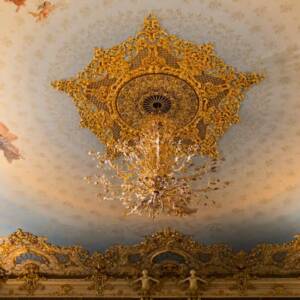


La Fenice Theater: Skip the Line + Audio Guide
Highlights
Avoid waiting in queues to access the famous Venetian opera house.
Discover the captivating Maria Callas exhibition revealing the soprano’s vibrant connection to Venice.
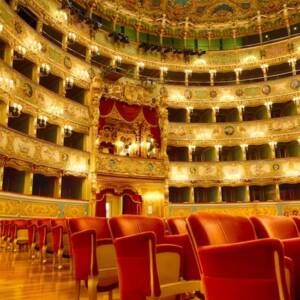
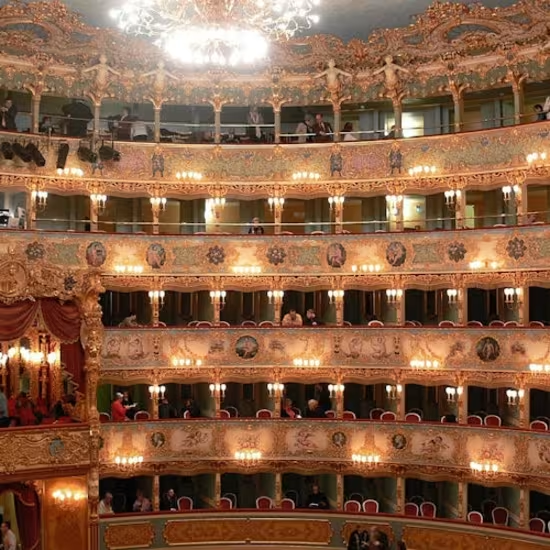
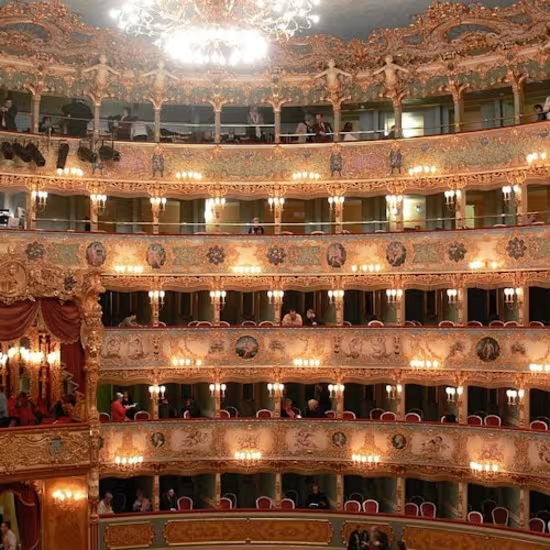
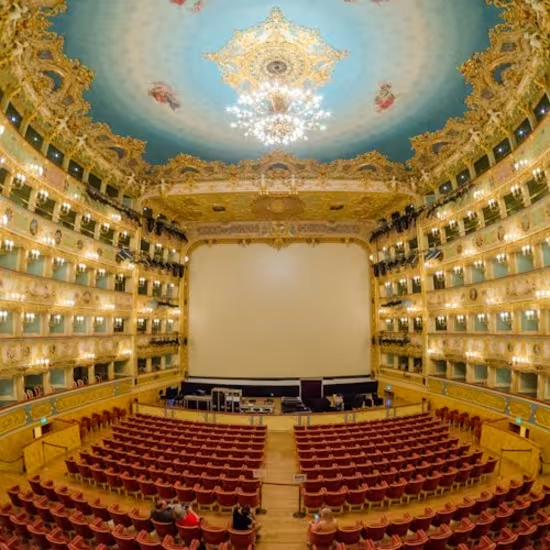
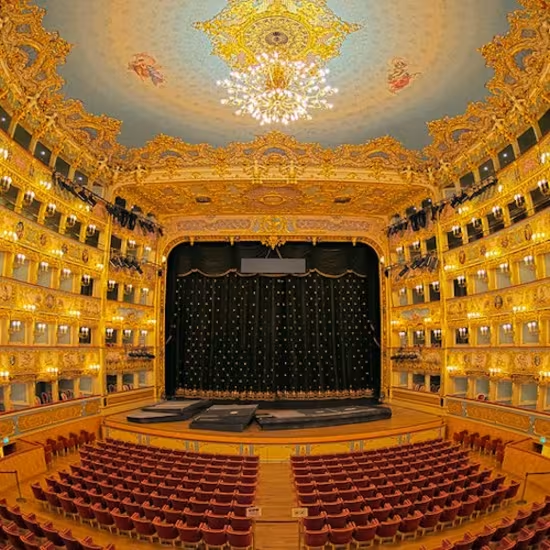
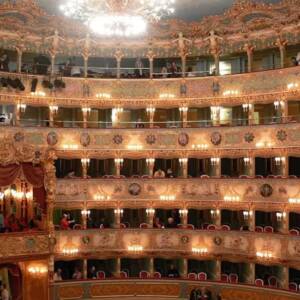
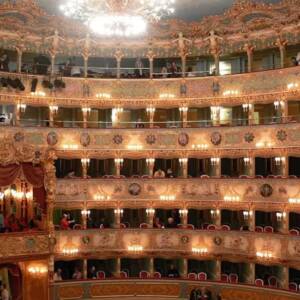
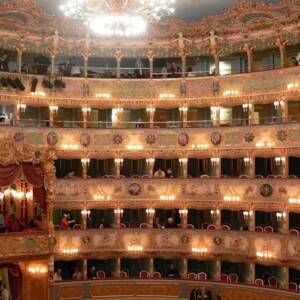
Explore distinguished areas including the Foyer, the main theatre, the Royal Box, and the Apollonian Halls.
Enjoy an informative audio guide available in multiple languages enhancing your visit.
Experience a deeply cultural immersion into one of Italy’s most significant opera venues.
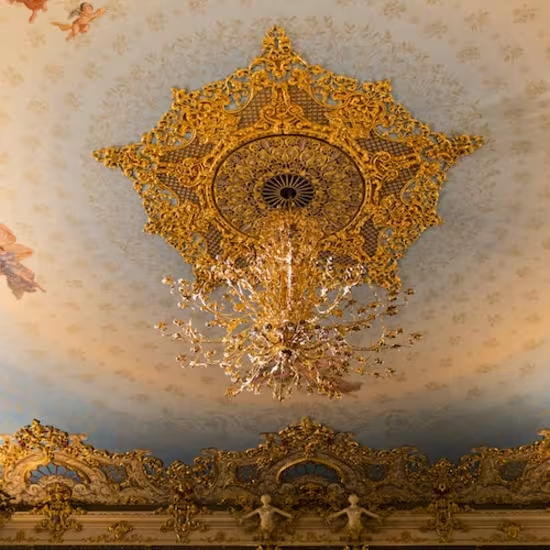
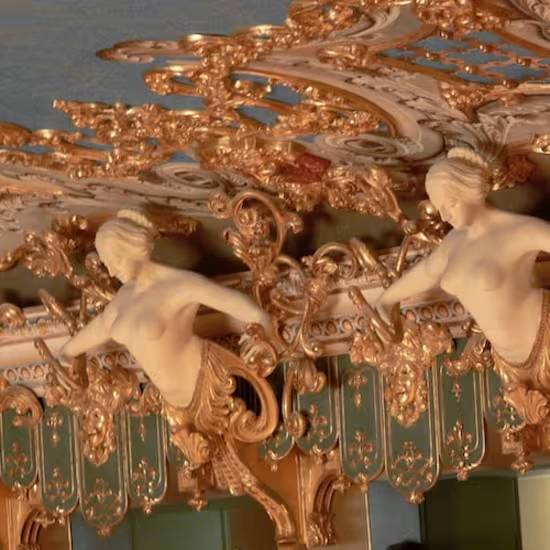
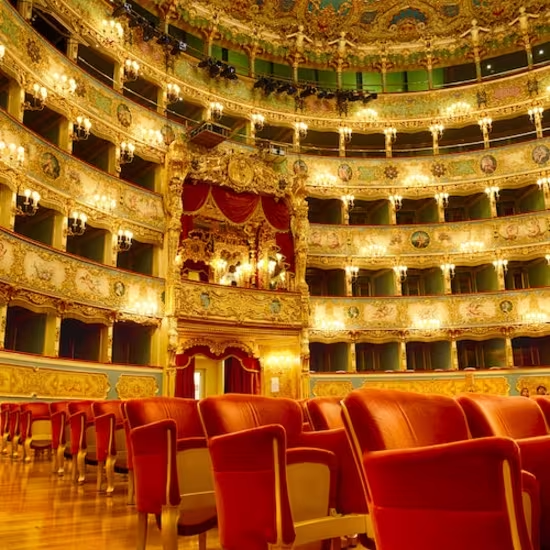
Teatro La Fenice: Tour guidato
Highlights
Explore an iconic Venetian theater renowned for its rich artistic heritage.
Discover the storied past including its multiple reconstructions after fires.
Enjoy insights about notable opera premieres held here.
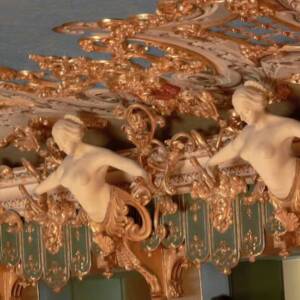
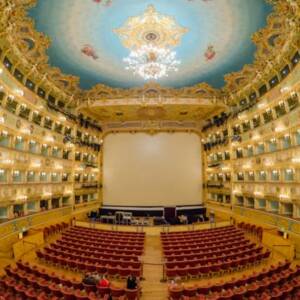
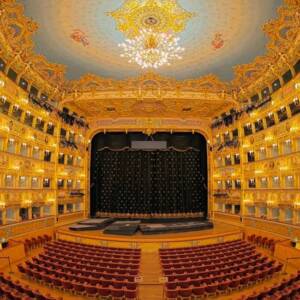
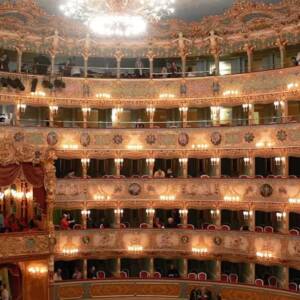
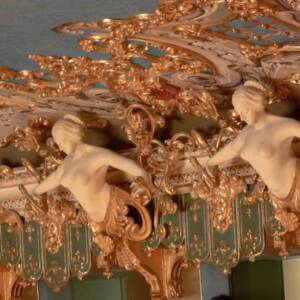
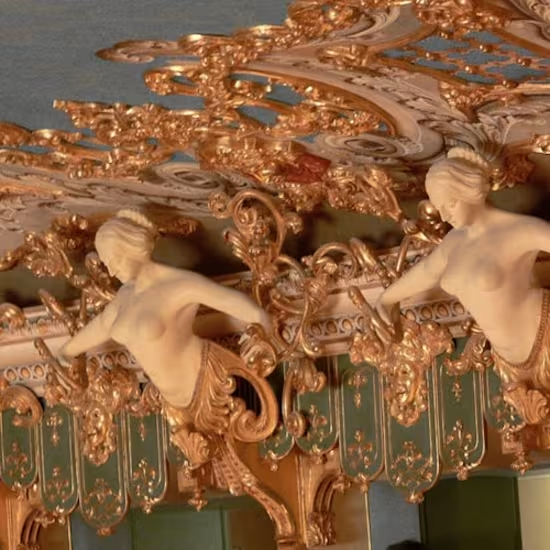
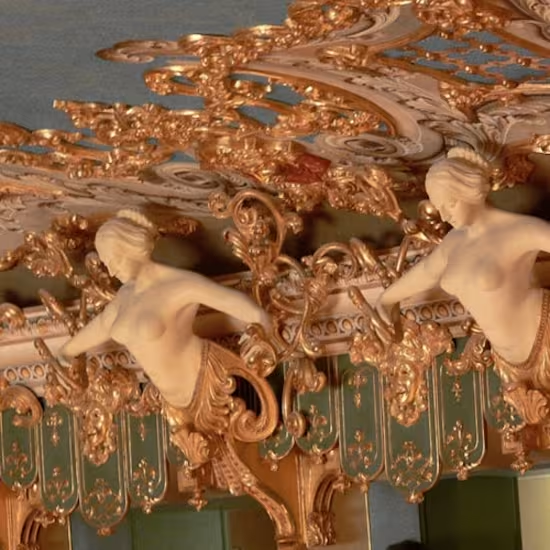
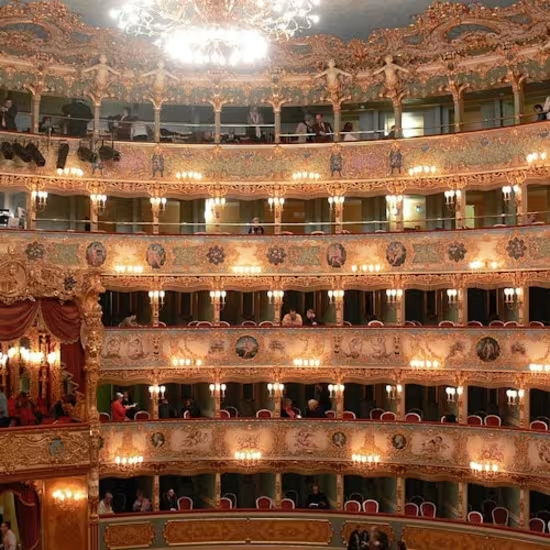
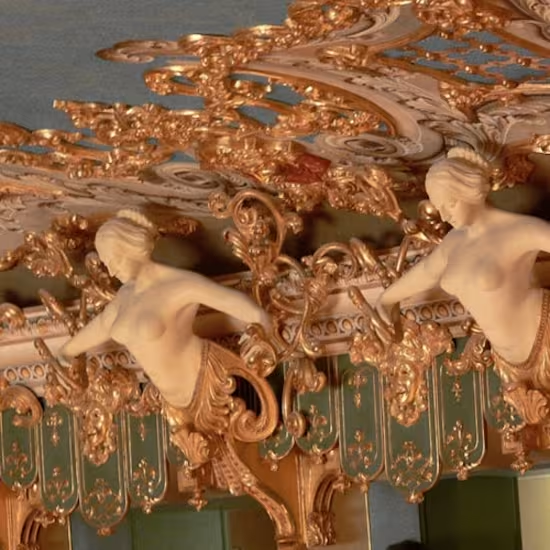
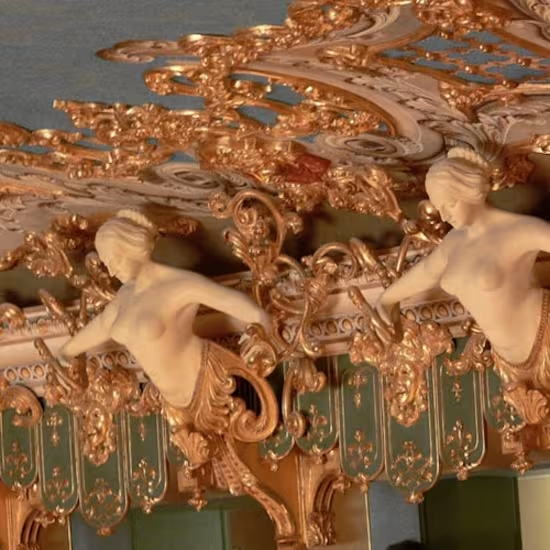
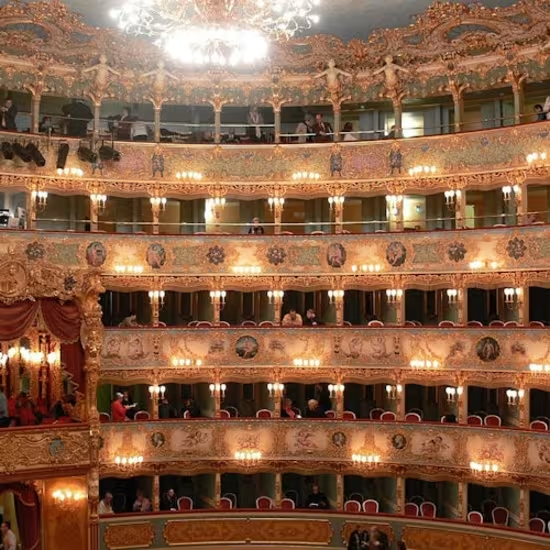
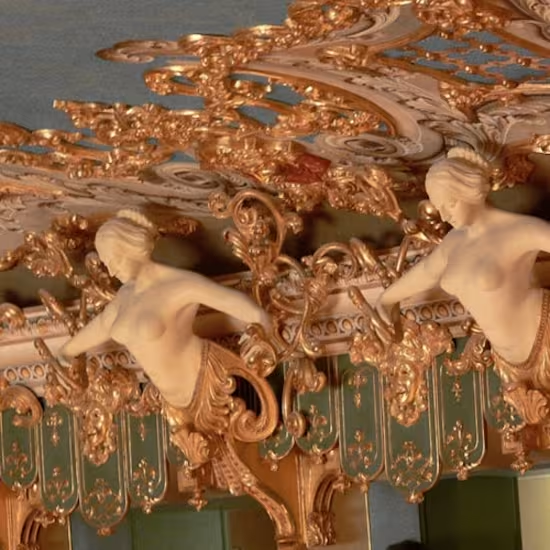
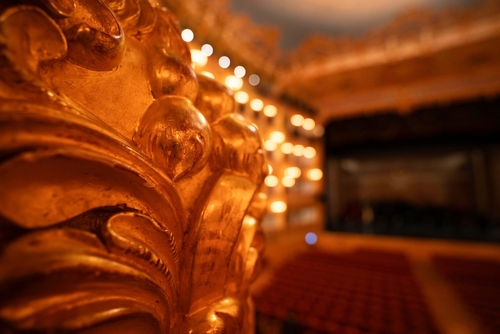
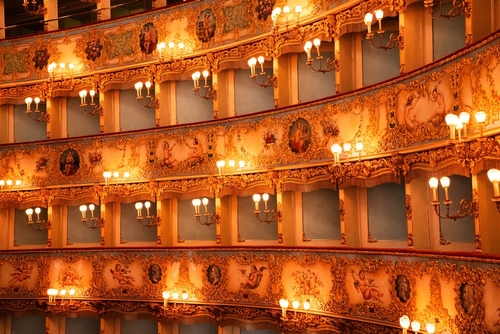
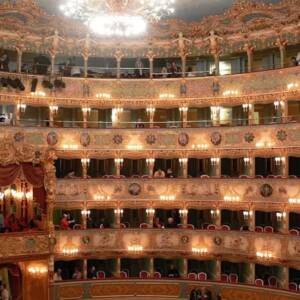
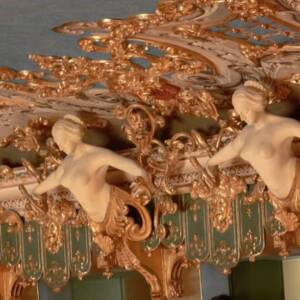
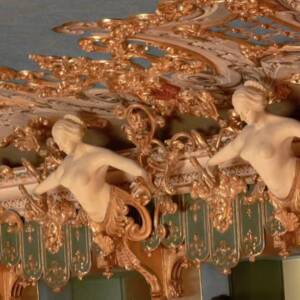
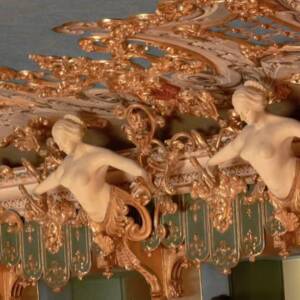
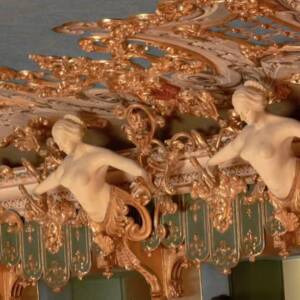
Witness exquisite gold and stucco interior decorations.
Benefit from an expert guide fluent in English and Italian.
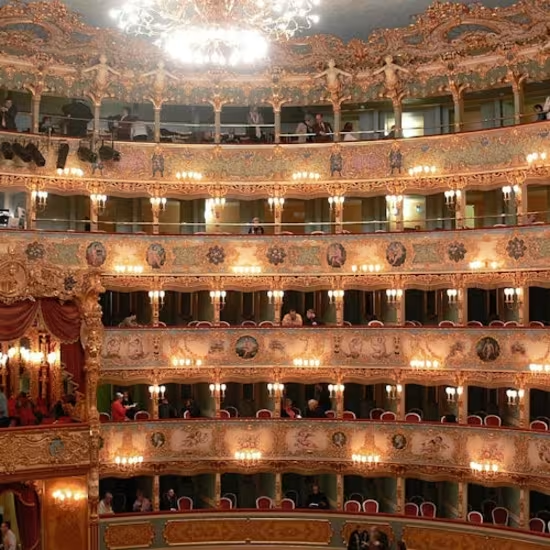
Welcome to Teatro La Fenice in Venice
Discover everything you need to plan a remarkable cultural outing — explore performance schedules, buy official tickets, and find practical visitor tips for Teatro La Fenice, Venice’s world-renowned opera house set in the heart of the historic city.
About Teatro La Fenice in Venice
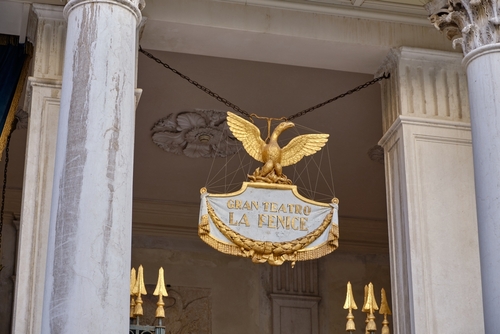
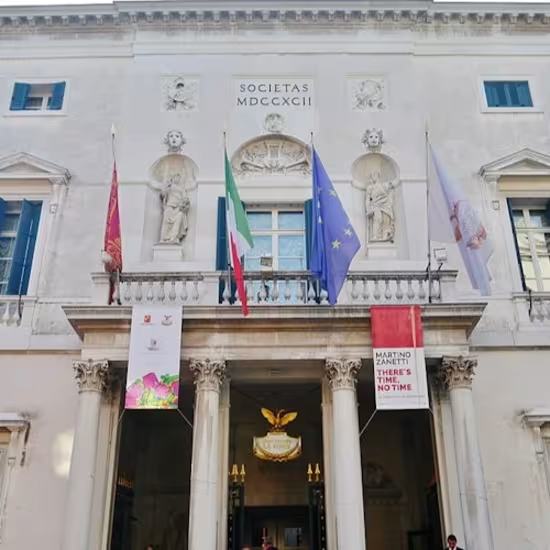
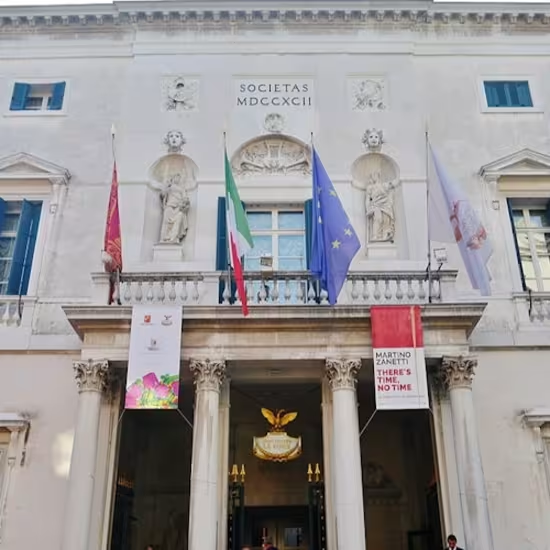
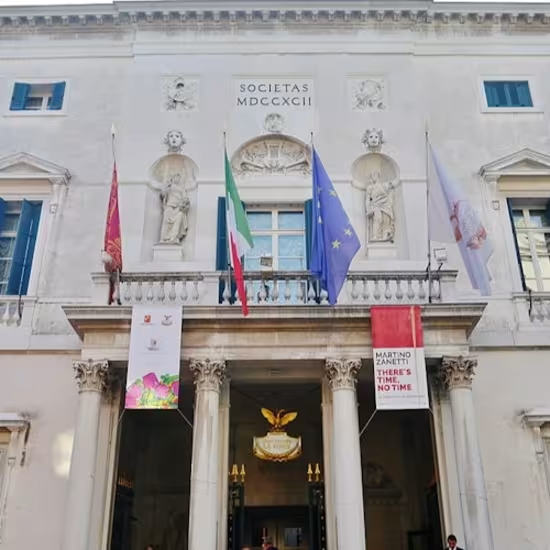
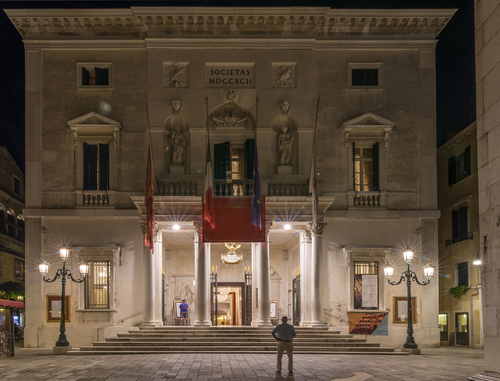
Teatro La Fenice stands as Venice’s premier opera house and a symbol of resilience and cultural heritage. Since its inauguration in 1792, it has witnessed the premieres of works by some of the most influential composers in history, including Rossini, Bellini, Donizetti, and Verdi. Despite suffering devastating fires twice, La Fenice has been meticulously rebuilt each time to restore its original grandeur, reflecting its name—The Phoenix. Today, it offers visitors a unique blend of neoclassical architecture, artistic opulence, and cutting-edge theatrical technology, welcoming audiences from around the world to experience its rich legacy of operatic and musical excellence.
Address
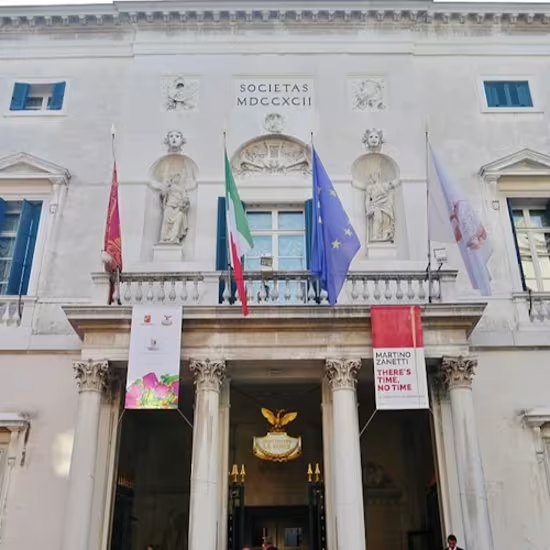
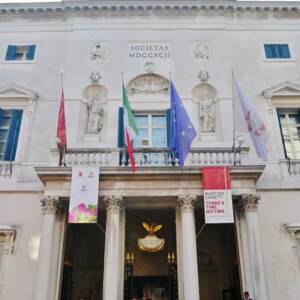
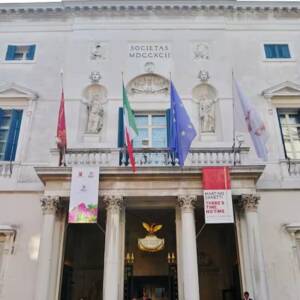
Campo San Fantin, San Marco District, Venice, 30124, Italy
Founded in
1792
Seating Capacity
Approximately 1,244 seats
Notable Features
Five orders of boxes, orchestra pit, Apollonian Halls, Maria Callas permanent exhibition, restored gondola entrance
Annual Visitors
Estimated around 300,000
Why Visit Teatro La Fenice?

Historic Opera House with Resilience Symbolism
Teatro La Fenice, meaning “The Phoenix,” is renowned not only for its prestigious standing in the opera world but also as a symbol of rebirth. Having been destroyed by fire twice and meticulously rebuilt each time, it tells a compelling story of resilience and cultural preservation that resonates deeply with visitors interested in history and heritage.

Architectural and Artistic Splendor
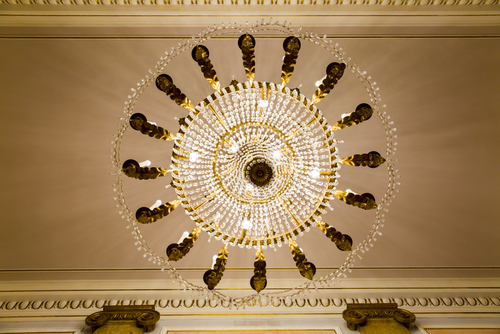
Designed in the classic Teatro all’italiana style with five tiers of ornately decorated boxes, La Fenice showcases exquisite neoclassical and neorenaissance interiors. Rich stucco work, gilt decorations, painted ceilings, and meticulously restored elements create an environment that immerses guests in Venetian artistic tradition, making it a visual feast beyond the performances themselves.

Famous Premiere Venue
This theatre holds a significant place in music history, having hosted world premieres by legendary composers such as Rossini, Bellini, Donizetti, and Verdi in the 19th century, and prominent 20th-century composers including Stravinsky and Britten. Visitors can explore the spaces where some of opera’s most iconic works first captivated audiences.

Maria Callas Permanent Exhibition
Dedicated to the unforgettable opera diva Maria Callas, this permanent exhibition offers a unique insight into her artistic connection to Venice and La Fenice. Fans of opera and cultural history will find valuable memorabilia and information celebrating her legacy.

Restored Historic Features Including Gondola Access
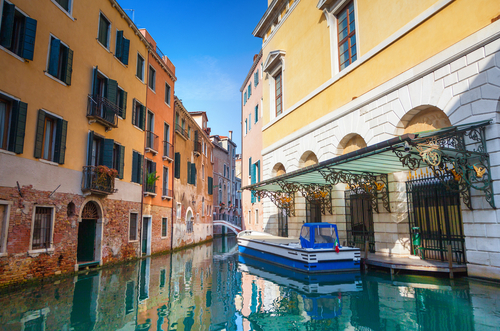
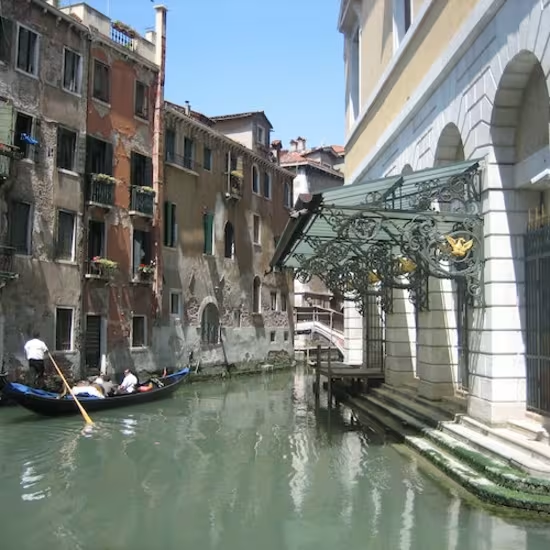
Visitors can appreciate the restored original entrance via the Rio Menuo canal, allowing arrival by gondola—a rare experience linking Venice’s iconic waterways with its cultural heart. Additionally, the “Sale Apollinee” halls and the modernized stage tower demonstrate the blend of historic charm and contemporary innovation, enhancing the overall tour experience.
Timings of Teatro La Fenice

General Visiting Hours
– La Fenice is usually open for daytime visits every day from 9:30 AM to 6:00 PM for guided or audio-guide tours.
– These hours reflect the first and last allowed access, and can shift slightly due to artistic or technical needs.
Special / Seasonal Variations
– On certain days, the theatre may close earlier or restrict visitor access depending on rehearsals, performances, or maintenance.
– Performance schedules may vary so the public visiting hours may be reduced on days with shows.
Ticket Office / Box Office
– It’s strongly recommended to arrive at least 30 minutes before a performance if you’re picking up tickets at the venue.
– The box office (at Campo San Fantin, Venice) is open daily from 10:00 AM to 5:00 PM.
Best Times to Visit Teatro La Fenice in Venice
Early Mornings Right at Opening (9:30 AM – 11:00 AM)
Visiting shortly after the theatre opens is ideal if you want to explore the interiors with fewer people around. The early hours offer a quieter atmosphere, making it easier to admire the gilded balconies, historic architecture, and ornate auditorium without waiting to enter the most popular areas.
Weekdays for a Calmer Experience (Tuesday Through Thursday)
Midweek visits typically see lighter foot traffic compared to weekends, especially during peak travel seasons. These days are great if you prefer an unhurried tour, want more time to enjoy the foyer and royal box areas, or plan to take photos without large crowds.
Avoiding Venice’s Peak Tourism Months
La Fenice experiences higher attendance during Venice’s busiest months — late spring, summer, and major holidays. For a more relaxed visit, aim for November to early March, when the city itself is quieter. The slower season allows for smoother entry, shorter lines, and a more intimate look at the theatre’s details.
Late Afternoons on Non-Performance Days
If you prefer a more peaceful visit, late afternoons can be surprisingly calm — especially on days without rehearsals or evening shows. This is often the time when tours slow down, giving you space to appreciate the theatre’s acoustics, décor, and exhibitions at your own pace.
During Scheduled Performances and Rehearsals (If You Want the Full Atmosphere)
Planning your visit to coincide with a live performance — whether opera, ballet, or concert — is one of the most memorable ways to experience La Fenice. Not only do you see the theatre at its most vibrant, but you also enjoy the historic venue as it was meant to be used. For tours only, keep in mind that access may be limited before showtime.
Where to Find the Theatre of Venice?

Location and Address of Teatro La Fenice
Location
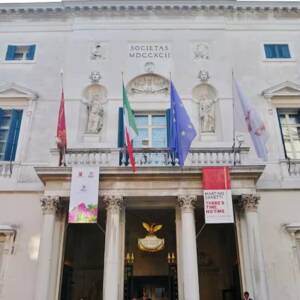
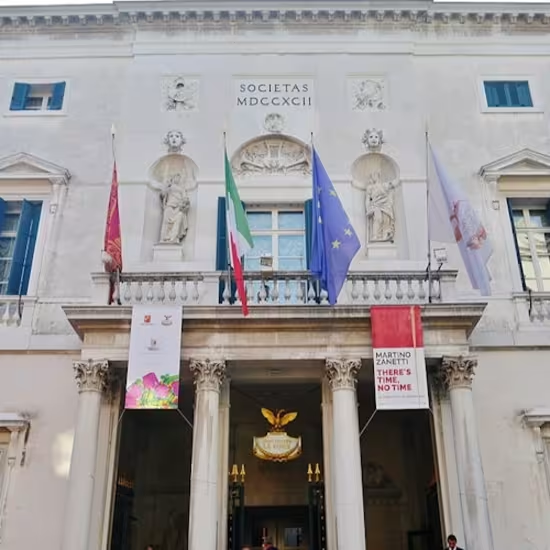
Nestled in the heart of Venice’s San Marco district, La Fenice stands at the atmospheric Campo San Fantin, just a few minutes’ walk from landmarks like Rialto and St. Mark’s Square. The area pulses with Venetian charm — winding alleys, historic buildings, and nearby canals set the stage for your opera-house adventure.
Address
Campo San Fantin, 1965
30124 Venice (San Marco), Italy
How to Get to Teatro La Fenice in Venice
By Vaporetto (Public Water Bus)
The most common way to reach La Fenice is by taking Venice’s vaporetto lines from major entry points like Piazzale Roma, Tronchetto, or the Santa Lucia train station.
Lines that stop near the theatre include those heading toward Rialto or St. Mark’s Square.
Common nearby stops include San Marco (Vallaresso), San Samuele, or Rialto. From any of these, it’s a short walk through Venice’s narrow streets to reach Campo San Fantin.
By Water Taxi
Water taxis offer the fastest and most direct route, bringing you close to the theatre along nearby canals.
This option is more expensive but ideal if you want convenience, privacy, or are arriving with luggage or during late hours.
Drop-off points are typically within a short walking distance of the theatre.
By Car
Cars cannot enter the historic center of Venice.
Drivers must park at Piazzale Roma or Tronchetto, the two main parking areas at the edge of the city.
From either parking location, you can take a vaporetto or enjoy a scenic walk into the heart of Venice toward San Marco.
By Train
Visitors arriving at Venezia Santa Lucia station can reach La Fenice easily by vaporetto.
Vaporetto stops are located right outside the station, and several lines will take you toward the Rialto or San Marco areas.
From the nearest stop, it’s a straightforward walk to the theatre.
From Venice Marco Polo Airport
You can take the Alilaguna airport water bus service, which has lines stopping near Rialto or San Marco — both within walking distance of the theatre.
Another option is taking an airport bus to Piazzale Roma, then continuing by vaporetto or on foot.
Private water taxis from the airport are also available and can bring you very close to La Fenice.
On Foot
If you’re already staying near San Marco, Rialto, or anywhere in the central districts, walking is often the easiest and most beautiful way to reach the theatre.
Venice’s pedestrian layout allows you to follow signs for “Fenice” or “Teatro” throughout the area.
Expect a short, scenic walk through charming alleys, bridges, and canals before arriving at Campo San Fantin.
Things to Know Before Visiting Teatro La Fenice
- Facilities
- Accessibility
- Guidelines
- Rules
Onsite Facilities

Restrooms
Restrooms are available inside the theatre for visitors taking tours or attending performances.
Café & Refreshments
The attraction offers one on-site cafe that offers Venetian-style snacks, brunches, and wines. There are also two deeply-tied restaurants, adjacent to the theatre, that visitors can explore.
Cloakroom / Coat Check
A cloakroom is provided during performances for storing coats, umbrellas, and larger items. This service helps keep the auditorium comfortable and unobstructed.
Gift Shop
The theatre features an onsite shop where visitors can purchase opera-themed souvenirs, books, music recordings, and items related to La Fenice’s history.
Audio Guides
For self-guided tours, audio guides are available in multiple languages, offering detailed insights into the theatre’s architecture, history, and famous productions.
Wi-Fi
Limited Wi-Fi may be available in certain areas, though connectivity can vary due to the building’s historic structure.
Accessibility Information

Wheelchair Access
Teatro La Fenice is accessible to visitors with mobility needs, and designated entrances and pathways are available for wheelchair users.
Elevators
An elevator provides access to select levels, including areas used during guided visits or performances.
Accessible Seating
Accessible seating options are available for performances. It is recommended to reserve these spots in advance due to limited availability.
Service Animals
Trained service animals assisting visitors with disabilities are welcome inside the theatre.
Assistance at Entry
Staff members are available at the entrance and throughout the theatre to help guests who require mobility or accessibility support.
Visitor Guidelines

Tickets & Booking
Visitors are encouraged to purchase tickets online in advance, especially during peak seasons, to ensure availability for tours and performances.
Arrival Time
It’s recommended to arrive at least 15–20 minutes before the scheduled entry or showtime to allow for security checks and seating.
Photography
Photography is generally allowed during daytime tours but is not permitted during performances. Flash usage may be restricted at all times.
Food & Drinks
Outside food and beverages are not allowed inside the theatre. Drinks and snacks, if needed, should be consumed before entering the auditorium.
Bags & Large Items
Large backpacks, luggage, and bulky items must be stored at the cloakroom during performances or may be restricted during tours.
Phone Use
Visitors must silence all mobile devices when entering the theatre, especially during performances or guided tours.
Rules and Regulations

Entry Policy
A valid ticket is required to enter the theatre. Re-entry during performances may be restricted based on staff instructions.
Children
Children must be accompanied by an adult at all times. Very young children may not be admitted to certain performances depending on the show’s nature.
Conduct
Running, loud conversations, or any disruptive behavior is prohibited to preserve the theatre’s quiet, respectful atmosphere.
Protection of the Theatre
Given the historic nature of La Fenice, guests may not touch décor, walls, or furnishings unless permitted by staff.
Food & Drinks in Auditorium
Eating and drinking are strictly prohibited inside the auditorium and seating areas.
Smoking / Vaping
Smoking and vaping are not allowed anywhere inside the theatre or in connected indoor spaces.
Interesting Facts About Teatro La Fenice
Meaning of Its Name
La Fenice means “The Phoenix,” symbolizing the theatre’s ability to be reborn after major setbacks.
Multiple Devastating Fires
The theatre has burned down three times, each time being rebuilt to its former glory.
Birthplace of Iconic Operas
Many legendary 19th-century operas premiered here, making it a powerhouse of Italian musical history.
Verdi’s Premieres
Giuseppe Verdi debuted major works like La Traviata and Rigoletto at this very theatre.
“As It Was, Where It Was” Reconstruction
The 2003 rebuild faithfully recreated the theatre exactly as it appeared before the 1996 fire.
Lavish Gold Interiors
Over 100 kilograms of gold leaf embellish its ornate, historic interior.
World-Class Acoustics
The theatre is celebrated for acoustics that allow even the softest notes to fill the hall beautifully.
Early Film Screenings
La Fenice once hosted early Venice Film Festival screenings before cinemas were built.
Built Over Water
The entire opera house stands on Venice’s unique wooden pile foundation system.
Hidden Royal Box
A rarely seen private royal box still exists, once reserved exclusively for visiting nobility.